FIVORA ECO EXPERIENTIAL RESORT – INDIA #VHLArch
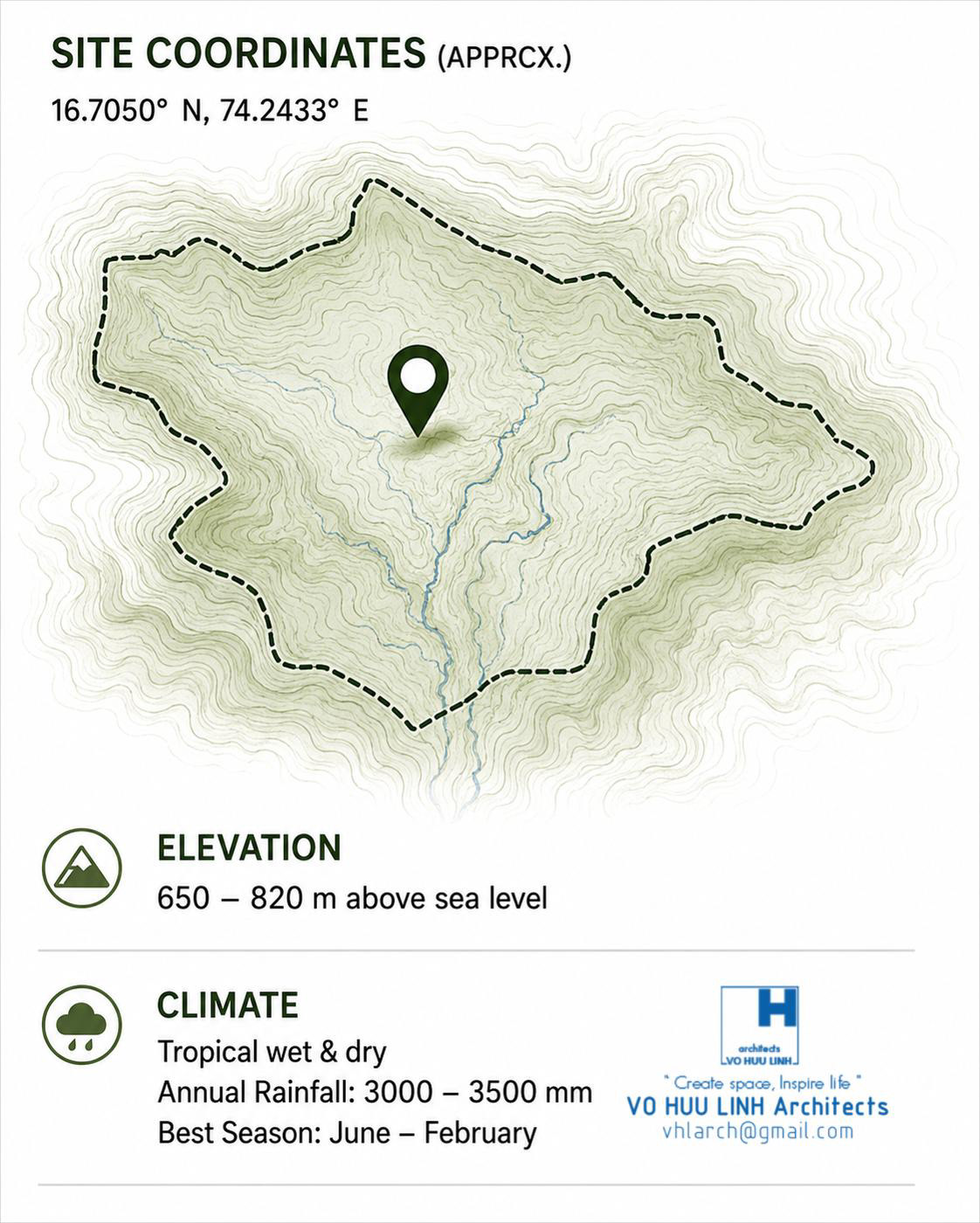
Local: Mojhe – Pawavade, Kolhapur District, Maharashtra, India
Client: FIVORA Group India
Design Consultant: Vo Huu Linh Architects
Vo Huu Linh Architects – Create Space, Inspire Life
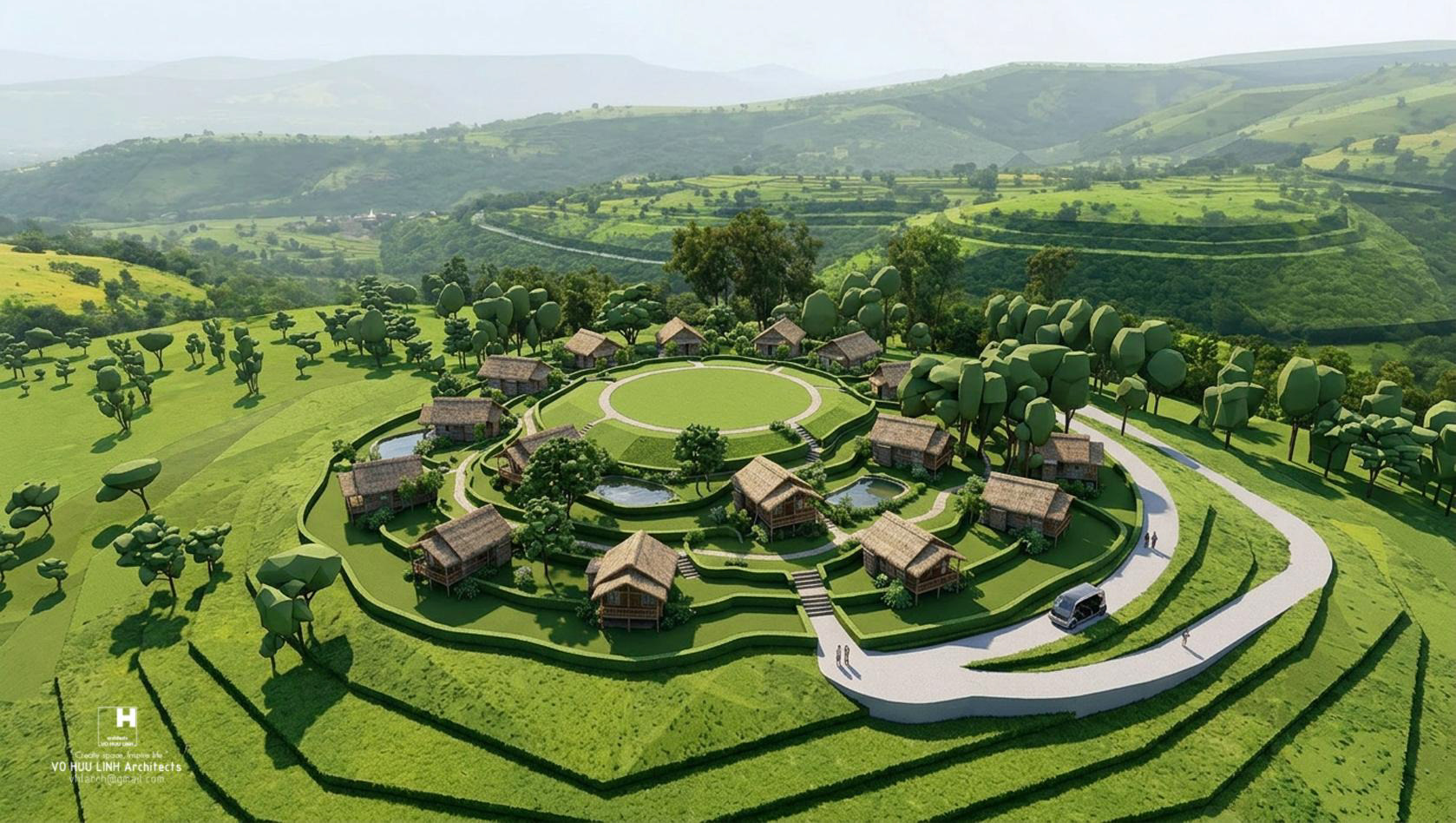
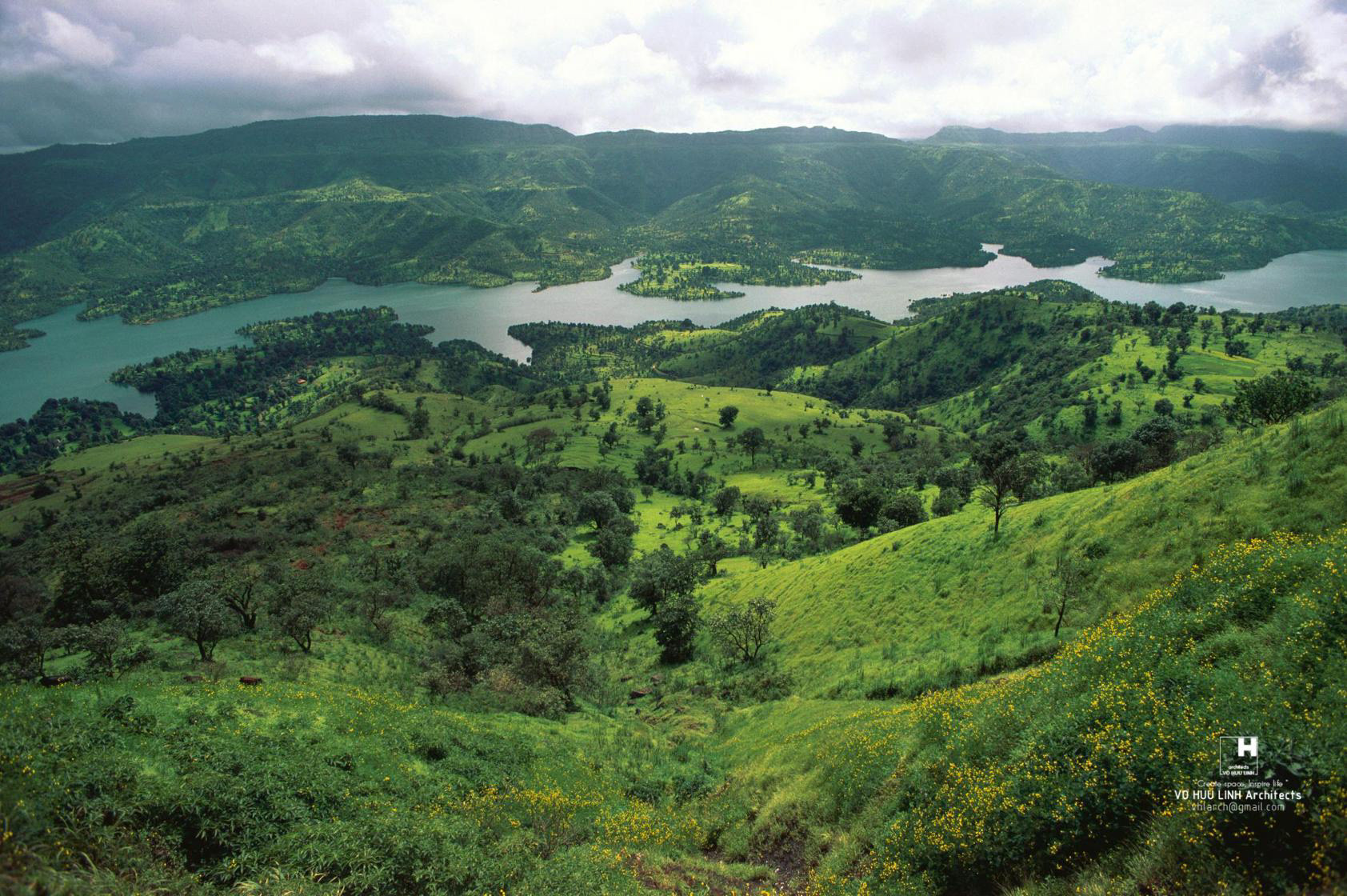
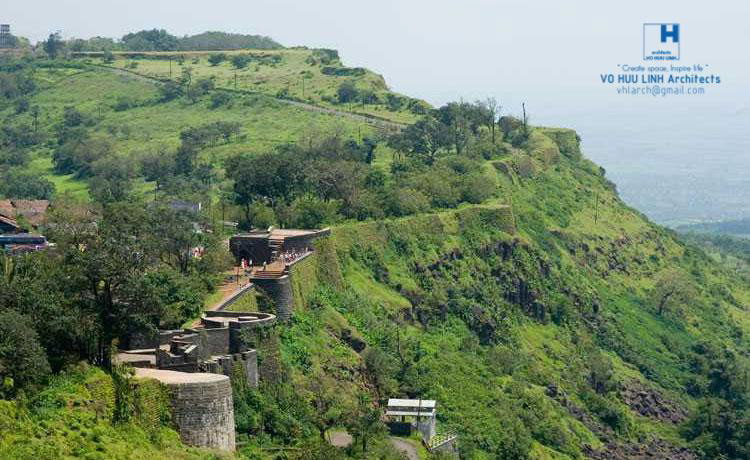
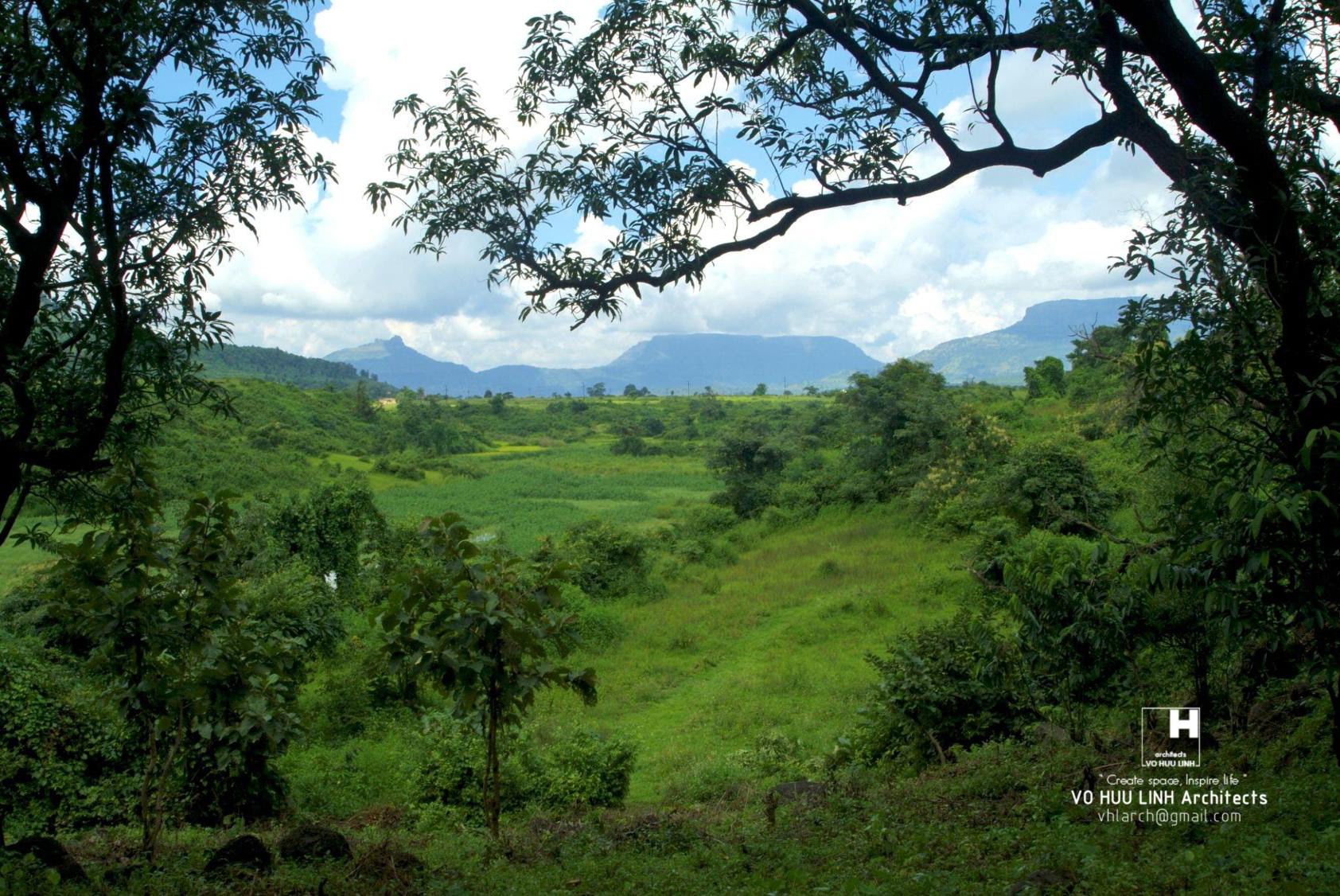
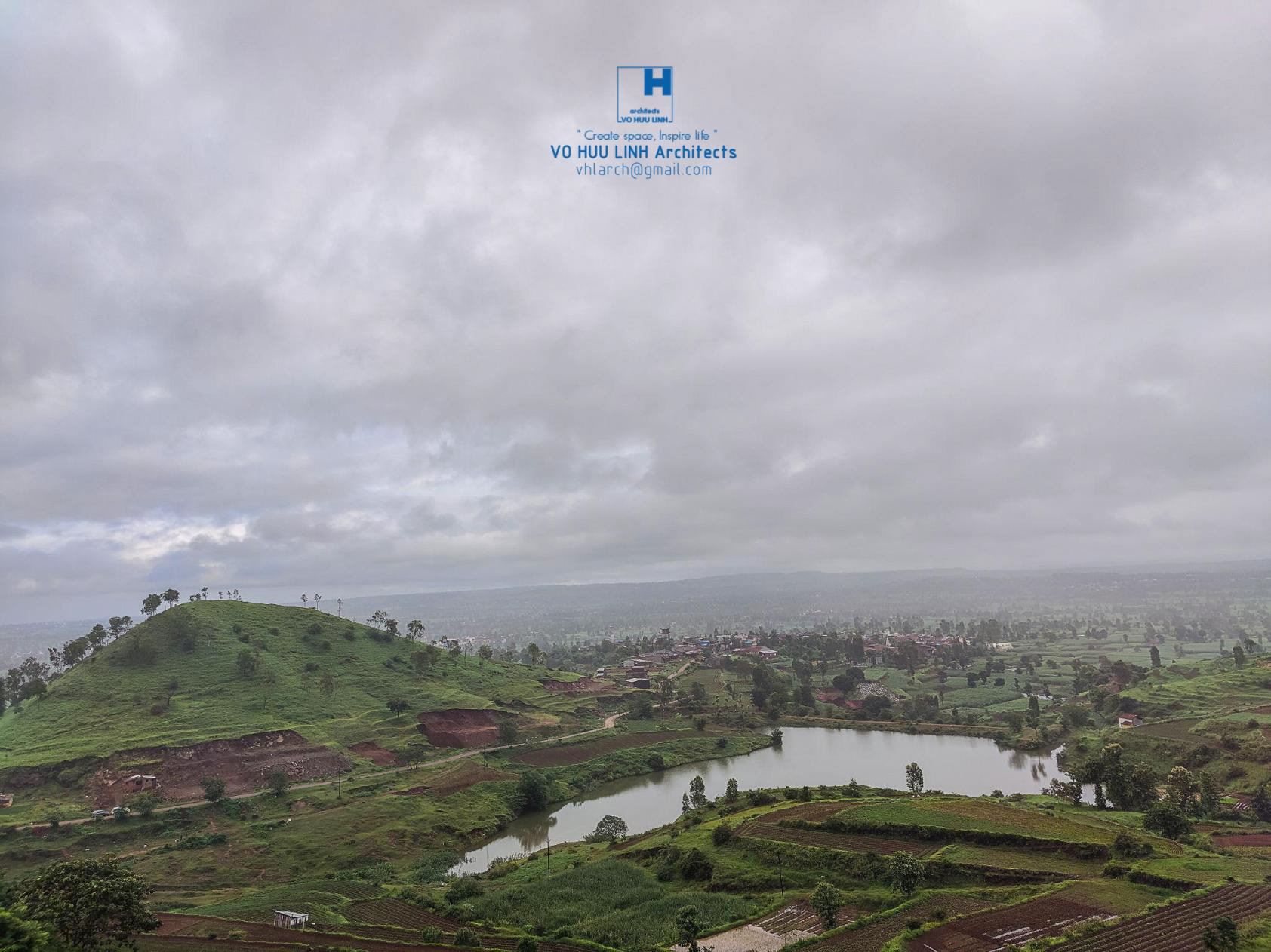
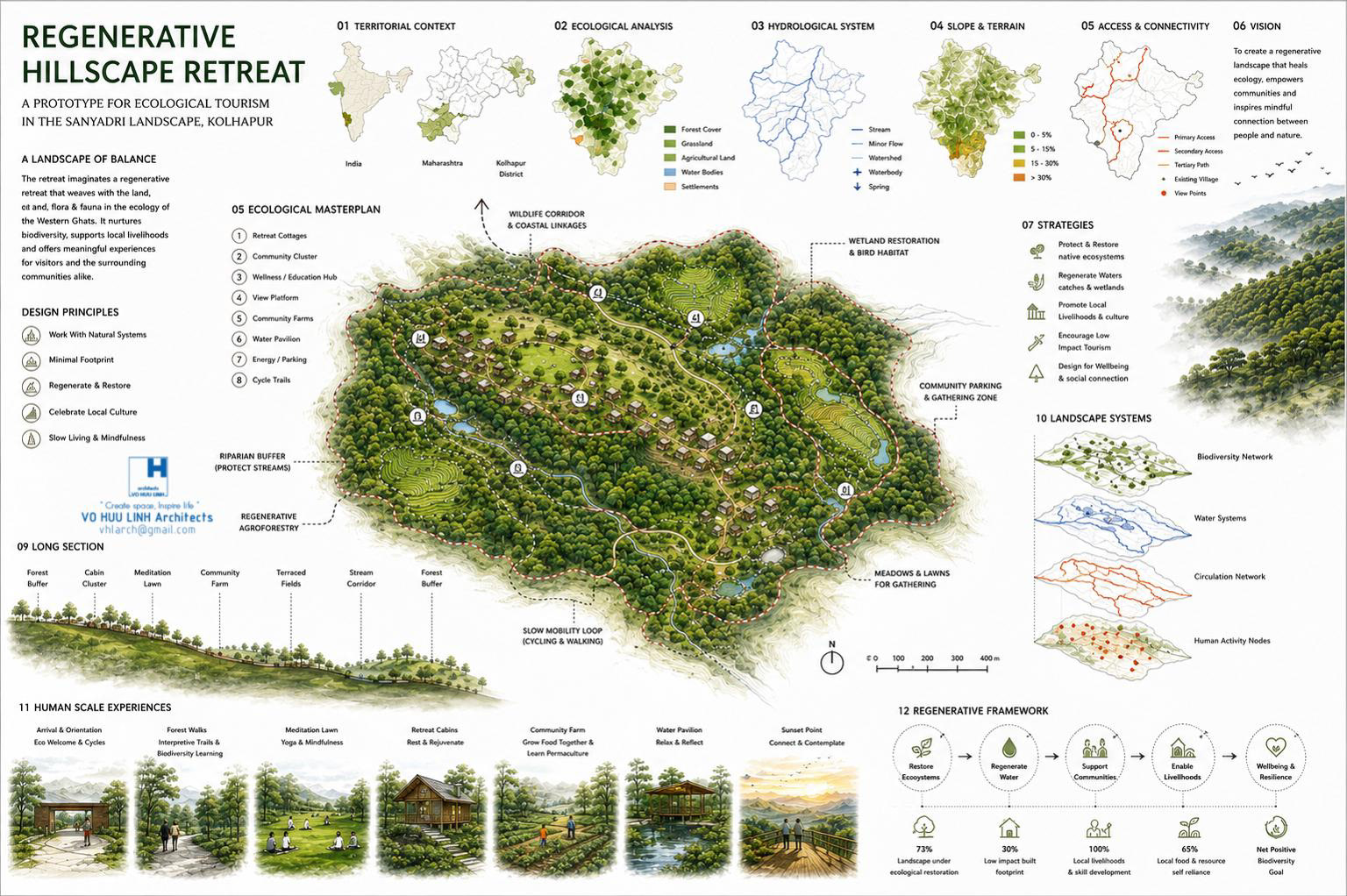
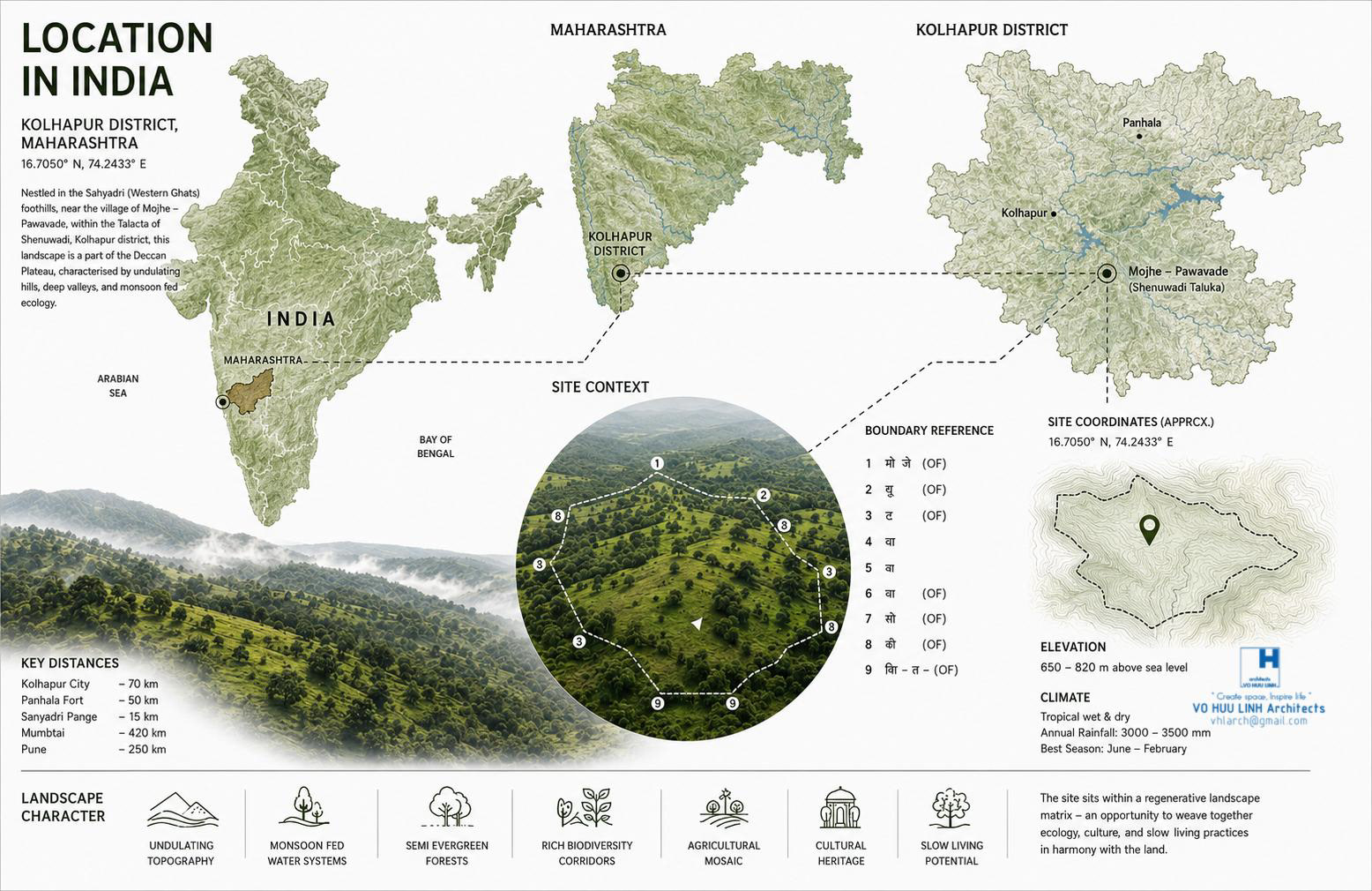
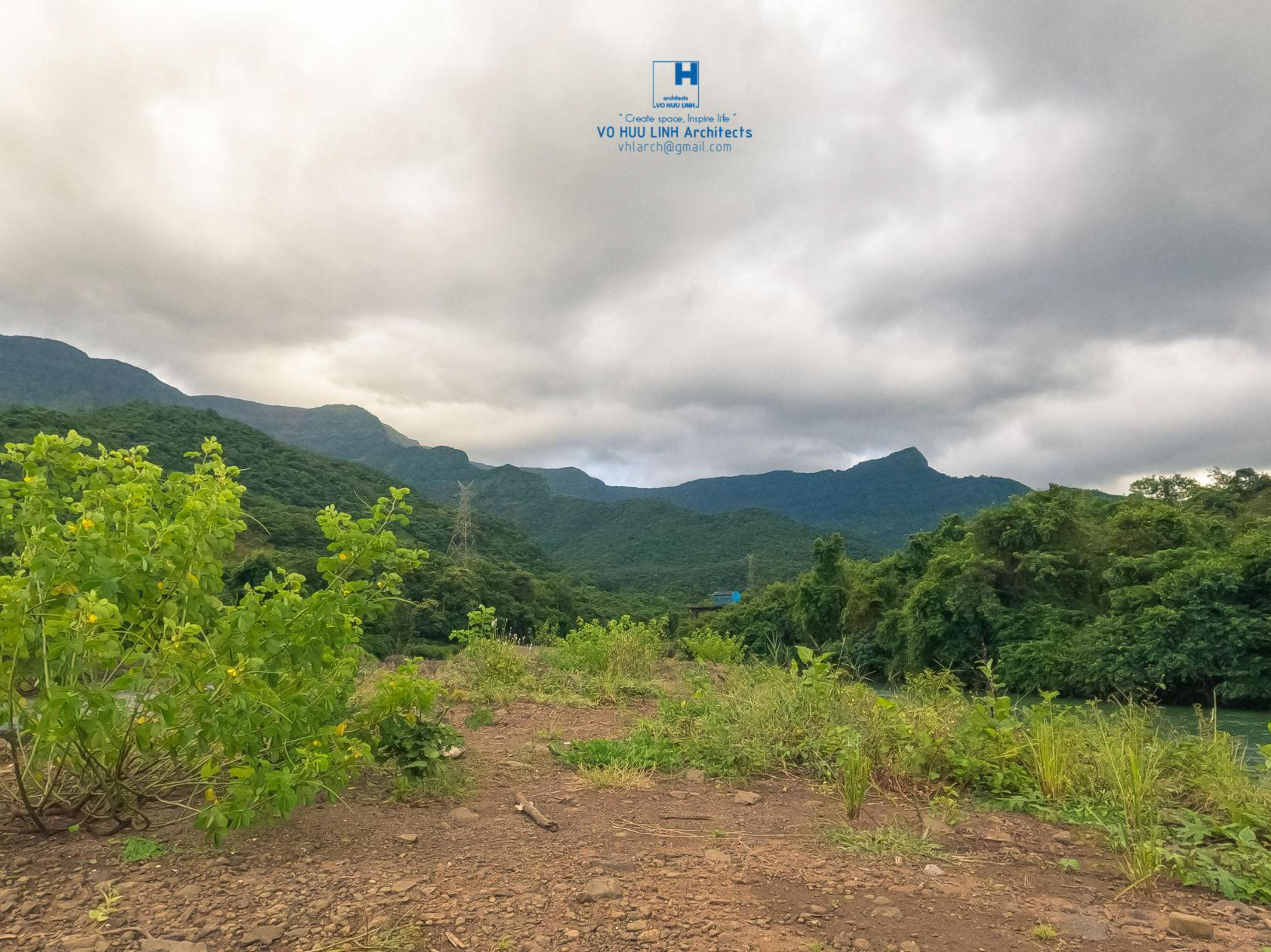
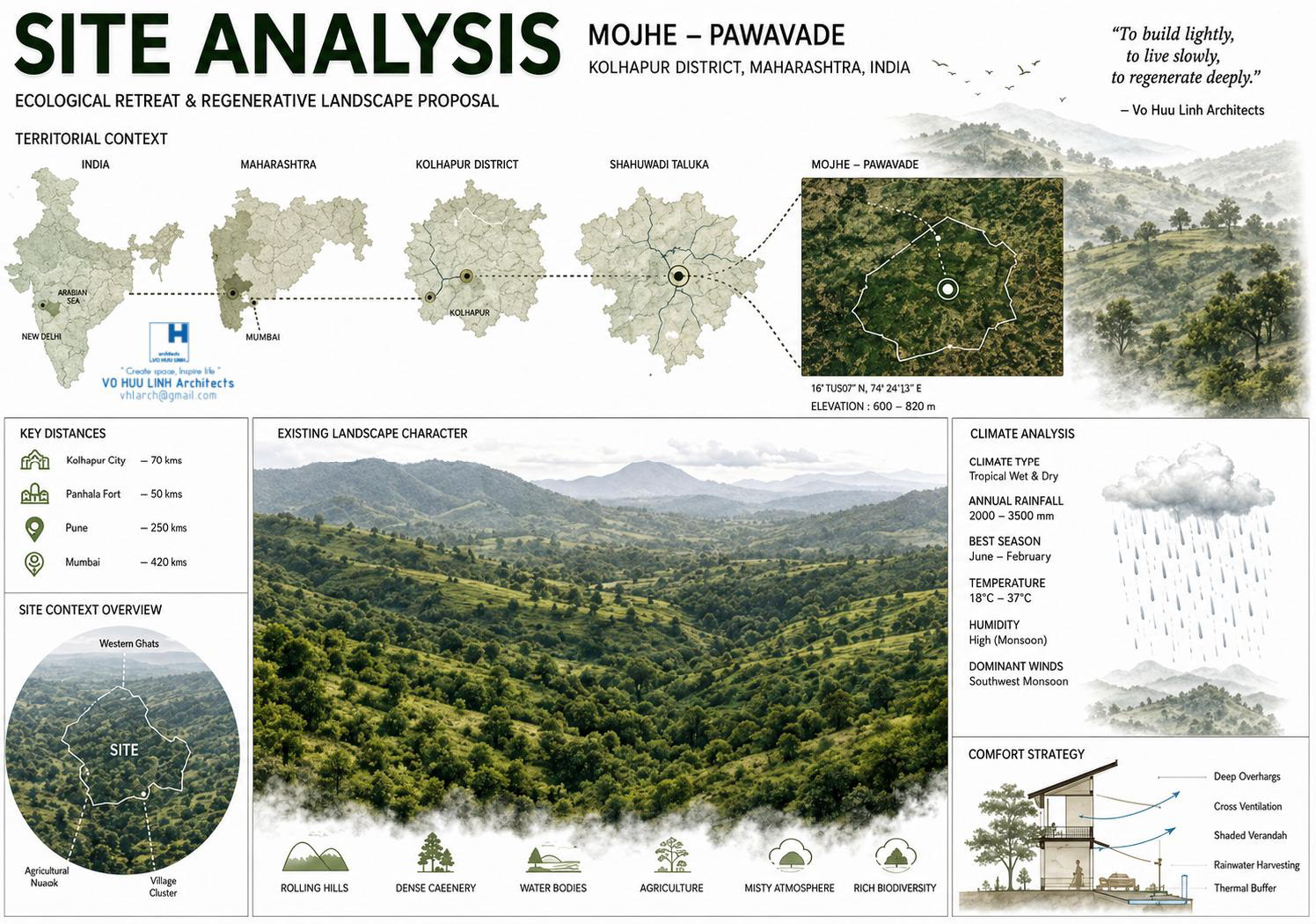
Situated within the ecological landscape of Mojhe – Pawavade, Kolhapur District, Maharashtra, FIVORA Eco Experiential Resort is envisioned as a regenerative hospitality prototype embedded within the Western Ghats landscape. The project investigates the relationship between architecture, ecology, hydrology, and slow living culture through a landscape-led design methodology.
Tọa lạc trong bối cảnh sinh thái của Mojhe – Pawavade, huyện Kolhapur, bang Maharashtra, FIVORA Eco Experiential Resort được định hướng như một mô hình nghỉ dưỡng tái tạo nằm hài hòa trong cảnh quan Western Ghats. Dự án nghiên cứu mối quan hệ giữa kiến trúc, sinh thái, thủy văn và văn hóa sống chậm thông qua phương pháp thiết kế dẫn dắt bởi cảnh quan.
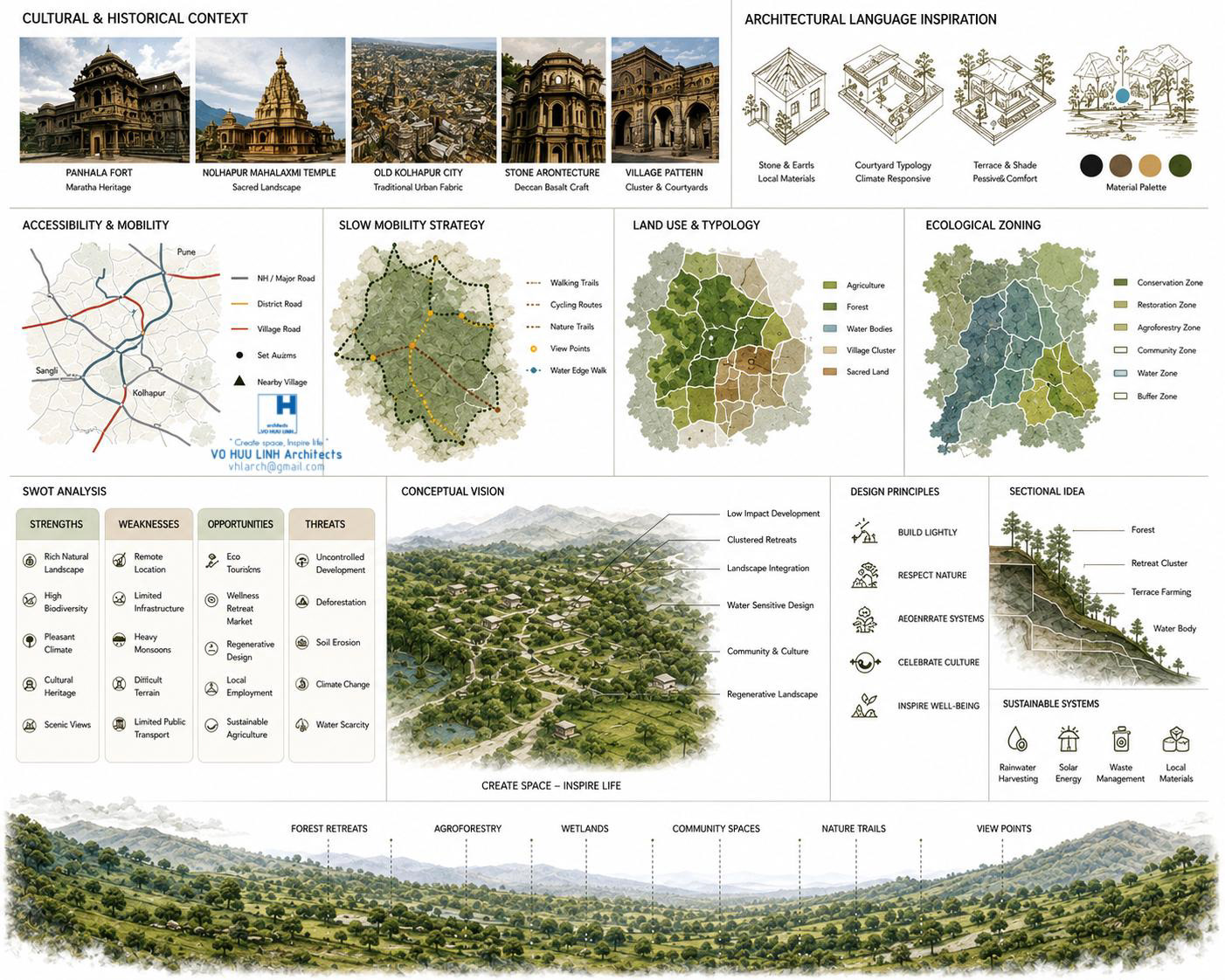
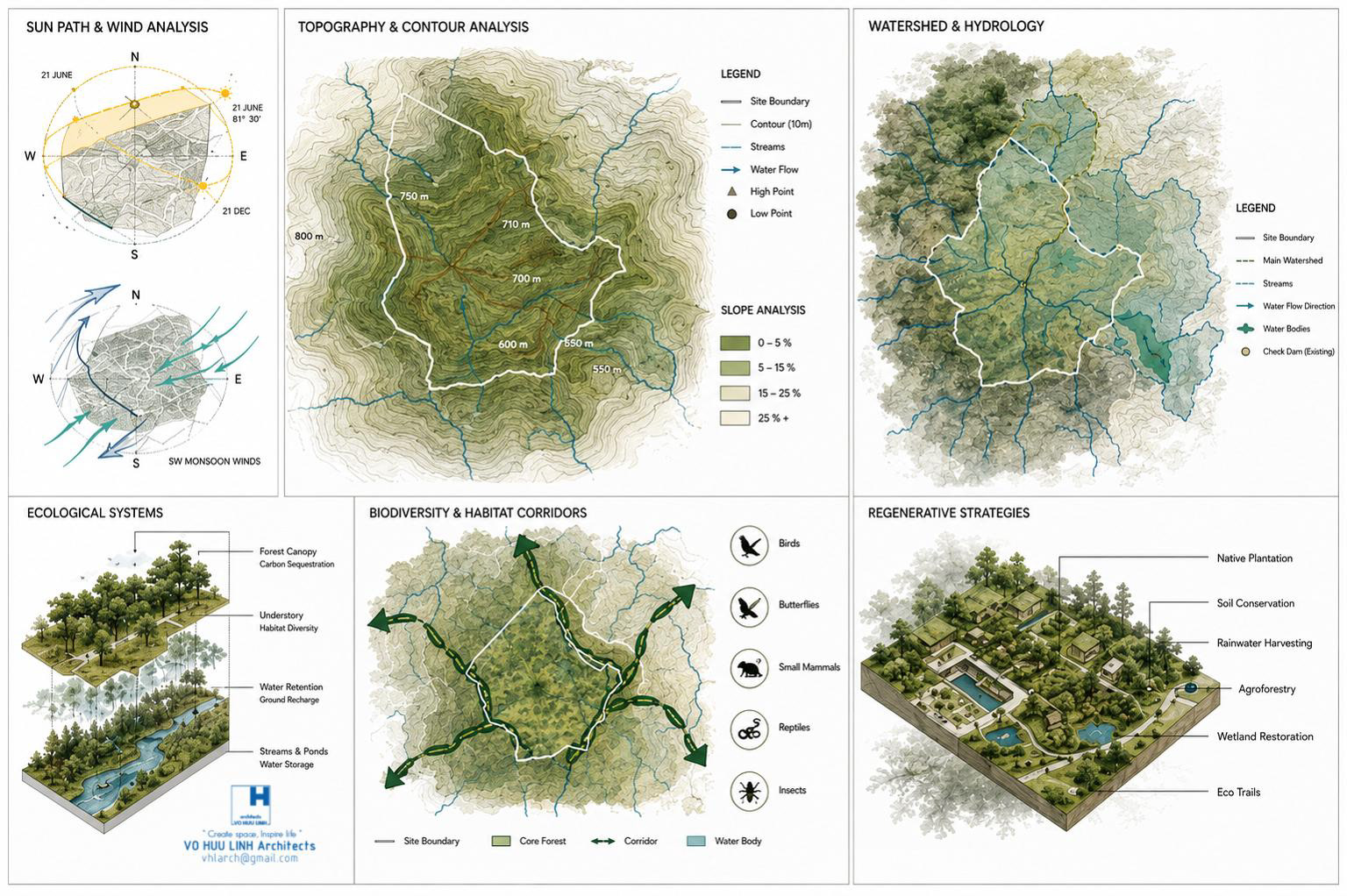
Rather than treating architecture as an isolated object, the proposal allows built form to emerge from terrain conditions, watershed systems, biodiversity networks, and existing ecological patterns. Following the design philosophy of Vo Huu Linh Architects, architecture is conceived as a living environmental system — one that listens to climate, respects topography, and creates emotional connections between people, nature, and space.
Thay vì xem kiến trúc như một đối tượng độc lập, đồ án cho phép hình thái công trình được hình thành từ địa hình tự nhiên, hệ thống lưu vực nước, mạng lưới đa dạng sinh học và các cấu trúc sinh thái hiện hữu. Theo triết lý thiết kế của Vo Huu Linh Architects, kiến trúc được xem như một hệ sinh thái sống — biết lắng nghe khí hậu, tôn trọng địa hình và tạo nên mối liên kết cảm xúc giữa con người, thiên nhiên và không gian.
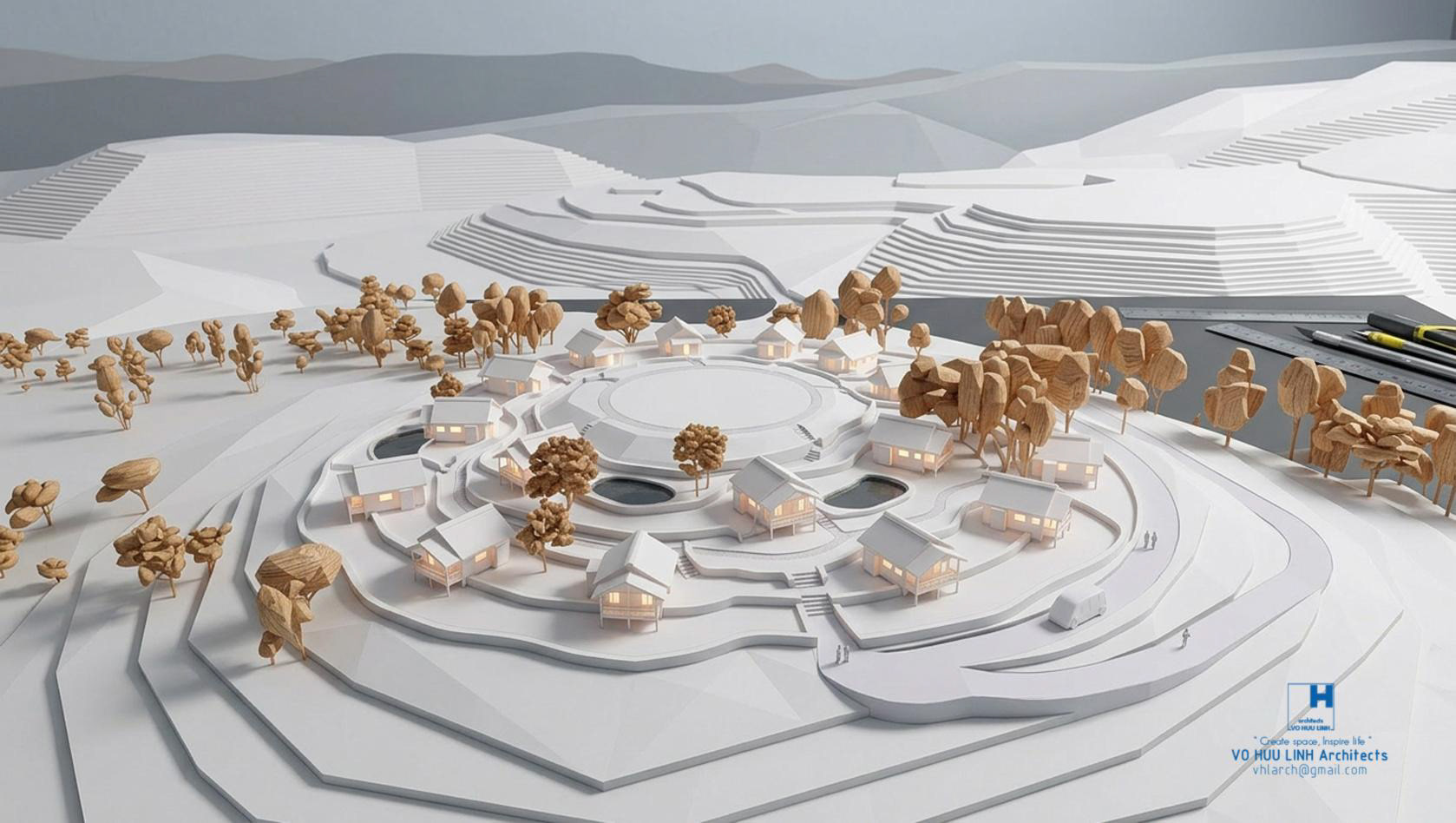
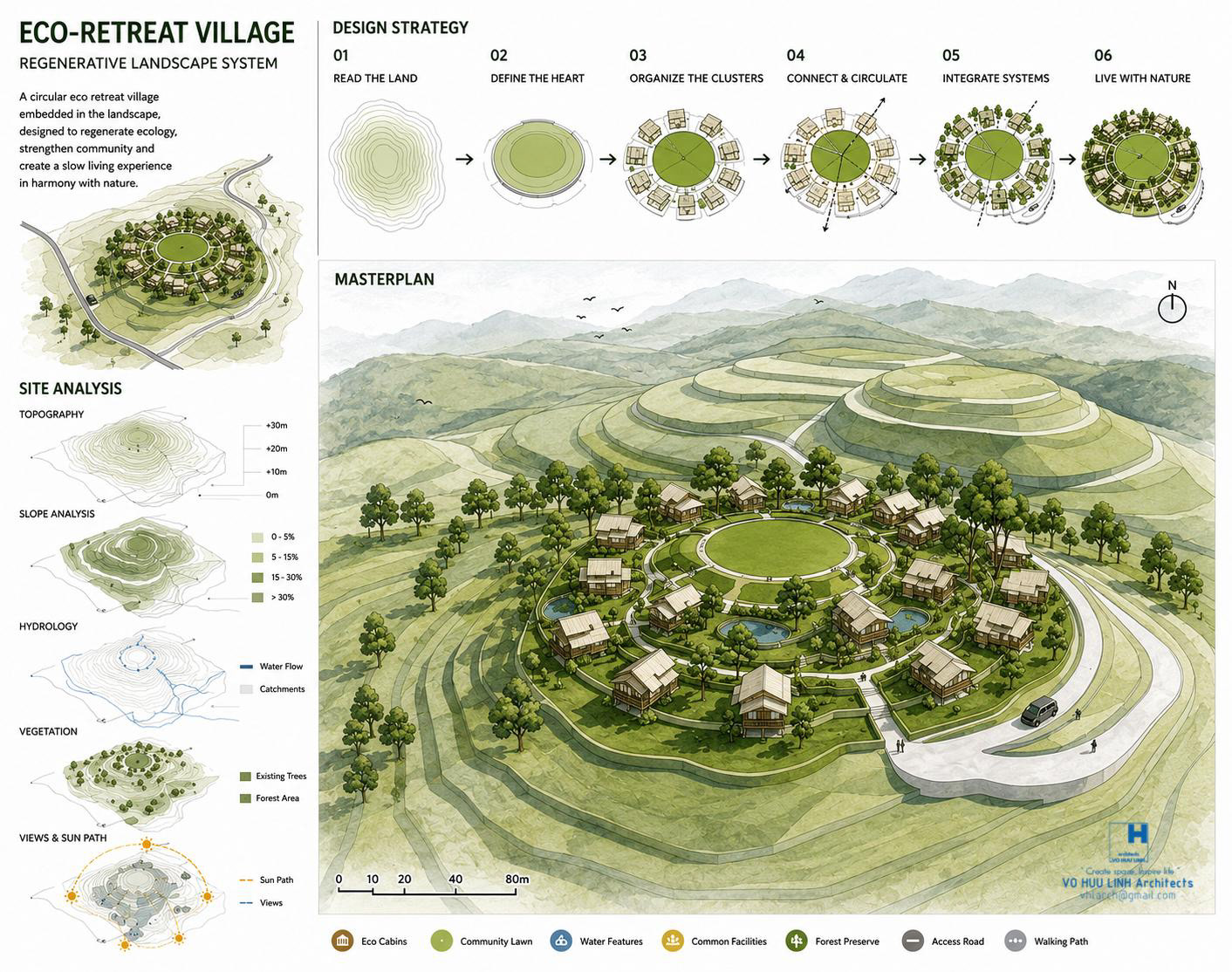
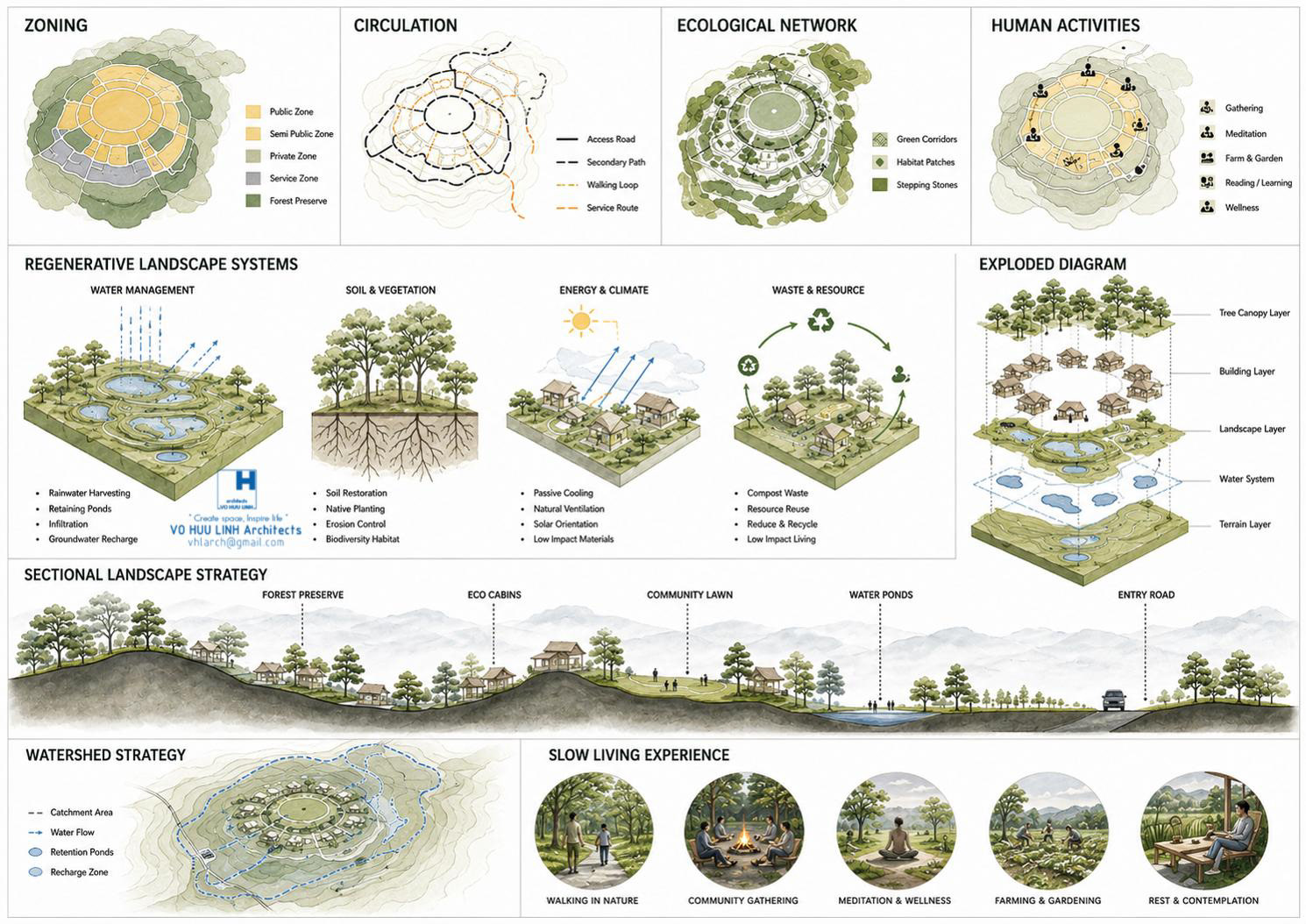
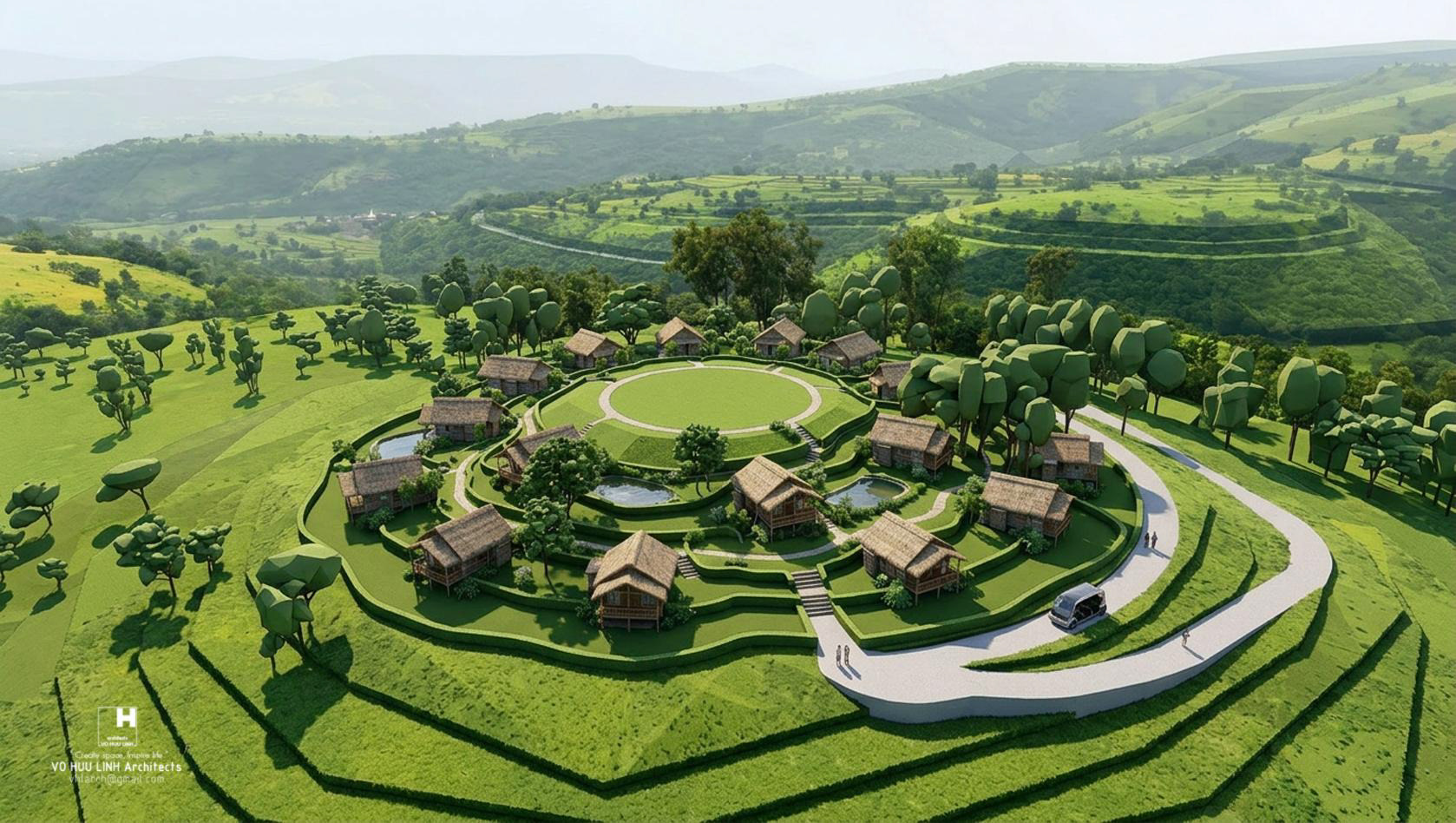
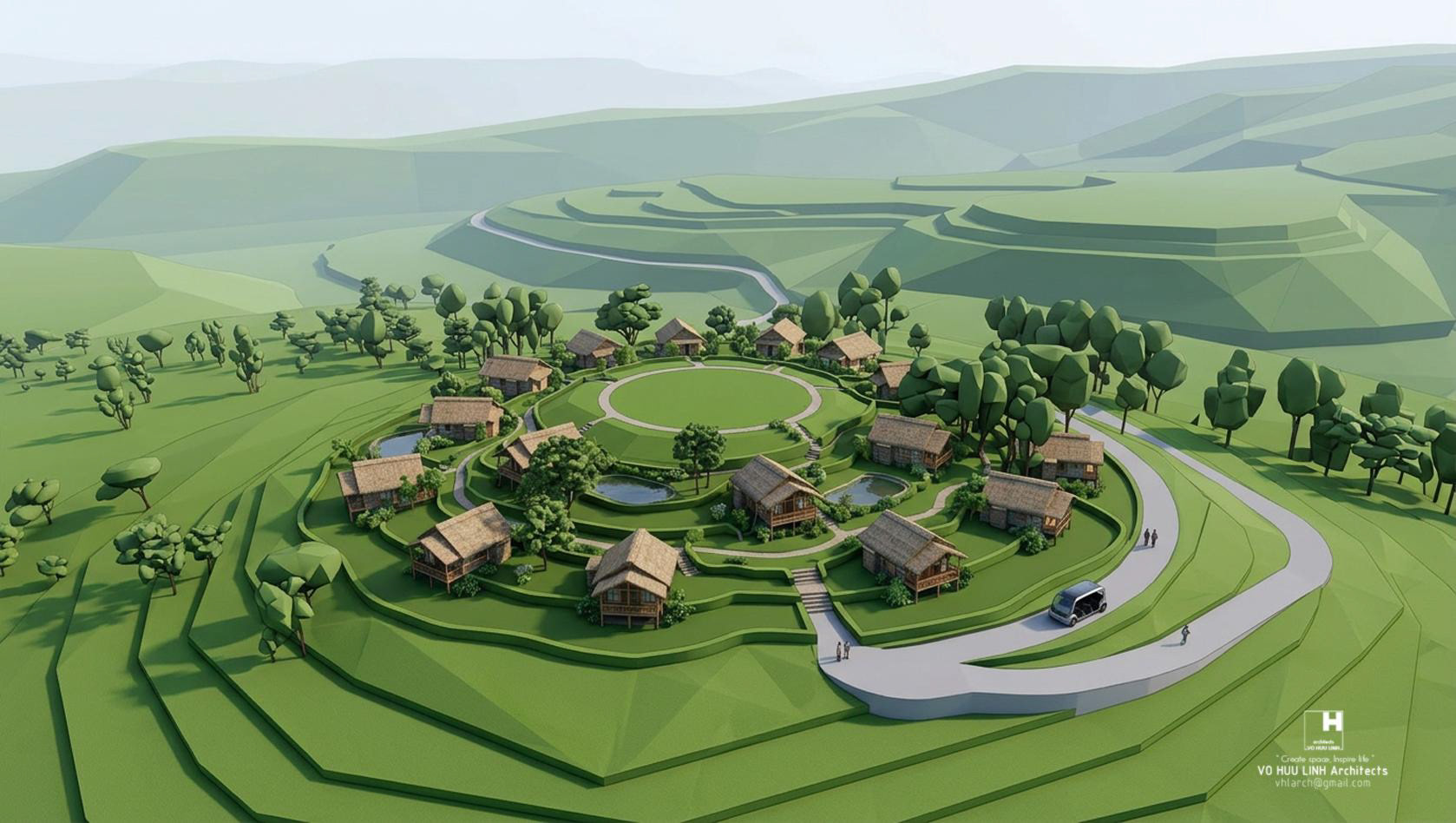
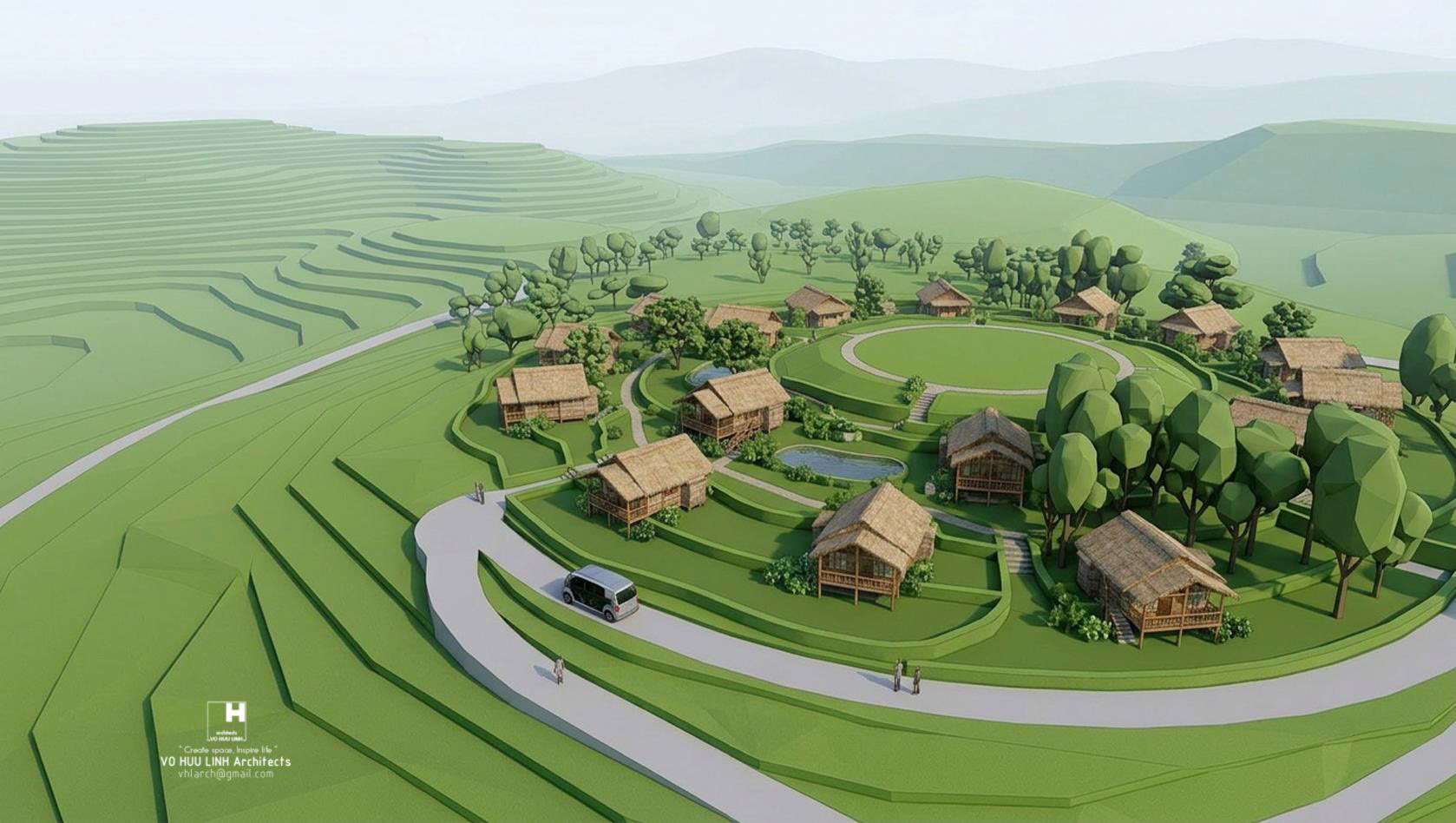
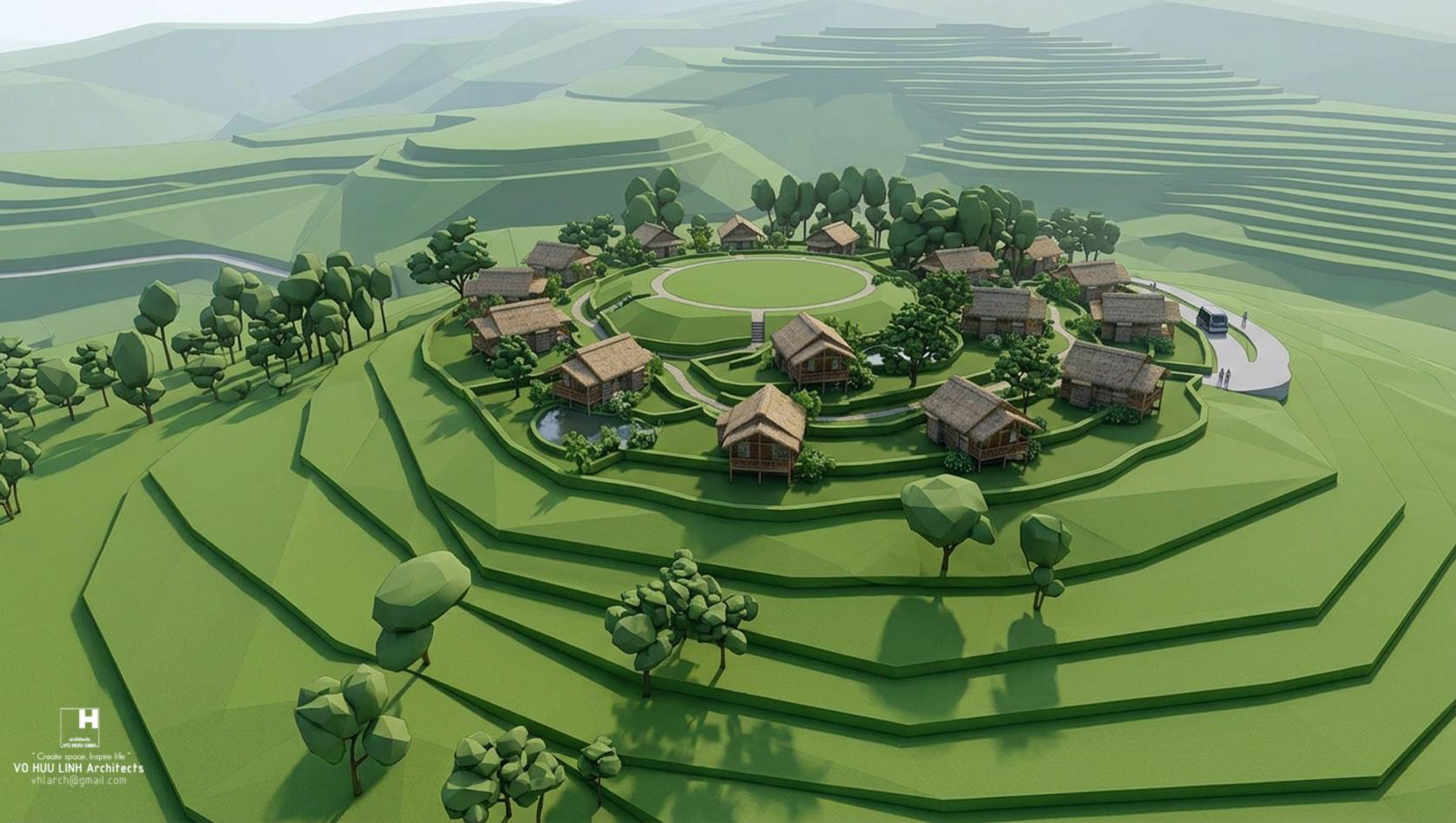
The masterplan integrates contour-responsive planning, rainwater harvesting, ecological restoration, agroforestry systems, and passive climatic strategies to minimize environmental impact while strengthening experiential qualities of place. Circular communal spaces, dispersed eco-cabins, and slow mobility pathways are organized to encourage contemplative interaction with the landscape and reinforce the sensory qualities of the monsoon terrain.
Tổng mặt bằng tích hợp các chiến lược quy hoạch thích ứng địa hình, thu gom nước mưa, phục hồi sinh thái, nông lâm kết hợp và giải pháp khí hậu thụ động nhằm giảm thiểu tác động môi trường đồng thời nâng cao trải nghiệm không gian. Các không gian cộng đồng dạng vòng tròn, cụm eco-cabin phân tán và hệ thống giao thông chậm được tổ chức nhằm khuyến khích sự tương tác mang tính chiêm nghiệm giữa con người và thiên nhiên.
Through a synthesis of landscape urbanism, vernacular sensitivity, and regenerative design thinking, the project proposes an alternative tourism model for India — one that prioritizes ecological resilience, cultural continuity, and long-term coexistence between architecture and landscape.
Thông qua sự kết hợp giữa landscape urbanism, tính bản địa và tư duy thiết kế tái tạo, dự án đề xuất một mô hình du lịch thay thế tại Ấn Độ — nơi ưu tiên khả năng phục hồi sinh thái, tính liên tục văn hóa và sự cộng sinh dài hạn giữa kiến trúc với cảnh quan tự nhiên.
Vo Huu Linh Architects
“Create Space – Inspire Life”
“Tạo không gian – Khơi nguồn sống”
#FIVORA #LandscapeUrbanism #RegenerativeDesign #EcoTourism #WesternGhats #India #SustainableArchitecture
Local: Mojhe – Pawavade, Kolhapur District, Maharashtra, India
Client: FIVORA Group India
Design Consultant: Vo Huu Linh Architects
Vo Huu Linh Architects – Create Space, Inspire Life
Situated within the ecological landscape of Mojhe – Pawavade, Kolhapur District, Maharashtra, FIVORA Eco Experiential Resort is envisioned as a regenerative hospitality prototype embedded within the Western Ghats landscape. The project investigates the relationship between architecture, ecology, hydrology, and slow living culture through a landscape-led design methodology.
Tọa lạc trong bối cảnh sinh thái của Mojhe – Pawavade, huyện Kolhapur, bang Maharashtra, FIVORA Eco Experiential Resort được định hướng như một mô hình nghỉ dưỡng tái tạo nằm hài hòa trong cảnh quan Western Ghats. Dự án nghiên cứu mối quan hệ giữa kiến trúc, sinh thái, thủy văn và văn hóa sống chậm thông qua phương pháp thiết kế dẫn dắt bởi cảnh quan.
Rather than treating architecture as an isolated object, the proposal allows built form to emerge from terrain conditions, watershed systems, biodiversity networks, and existing ecological patterns. Following the design philosophy of Vo Huu Linh Architects, architecture is conceived as a living environmental system — one that listens to climate, respects topography, and creates emotional connections between people, nature, and space.
Thay vì xem kiến trúc như một đối tượng độc lập, đồ án cho phép hình thái công trình được hình thành từ địa hình tự nhiên, hệ thống lưu vực nước, mạng lưới đa dạng sinh học và các cấu trúc sinh thái hiện hữu. Theo triết lý thiết kế của Vo Huu Linh Architects, kiến trúc được xem như một hệ sinh thái sống — biết lắng nghe khí hậu, tôn trọng địa hình và tạo nên mối liên kết cảm xúc giữa con người, thiên nhiên và không gian.
The masterplan integrates contour-responsive planning, rainwater harvesting, ecological restoration, agroforestry systems, and passive climatic strategies to minimize environmental impact while strengthening experiential qualities of place. Circular communal spaces, dispersed eco-cabins, and slow mobility pathways are organized to encourage contemplative interaction with the landscape and reinforce the sensory qualities of the monsoon terrain.
Tổng mặt bằng tích hợp các chiến lược quy hoạch thích ứng địa hình, thu gom nước mưa, phục hồi sinh thái, nông lâm kết hợp và giải pháp khí hậu thụ động nhằm giảm thiểu tác động môi trường đồng thời nâng cao trải nghiệm không gian. Các không gian cộng đồng dạng vòng tròn, cụm eco-cabin phân tán và hệ thống giao thông chậm được tổ chức nhằm khuyến khích sự tương tác mang tính chiêm nghiệm giữa con người và thiên nhiên.
Through a synthesis of landscape urbanism, vernacular sensitivity, and regenerative design thinking, the project proposes an alternative tourism model for India — one that prioritizes ecological resilience, cultural continuity, and long-term coexistence between architecture and landscape.
Thông qua sự kết hợp giữa landscape urbanism, tính bản địa và tư duy thiết kế tái tạo, dự án đề xuất một mô hình du lịch thay thế tại Ấn Độ — nơi ưu tiên khả năng phục hồi sinh thái, tính liên tục văn hóa và sự cộng sinh dài hạn giữa kiến trúc với cảnh quan tự nhiên.
Vo Huu Linh Architects
“Create Space – Inspire Life”
“Tạo không gian – Khơi nguồn sống”
#FIVORA #LandscapeUrbanism #RegenerativeDesign #EcoTourism #WesternGhats #India #SustainableArchitecture